


You have the Shopify store, a beautiful logo, and the perfect brand name. Now comes the hard part: finding high-quality products that don’t require renting a warehouse or a five-figure upfront investment. This is exactly where the right dropshipping app steps in to become your most vital business partner. Select the best dropship app for shopify.
Many beginners fall into the exhausting trap of manually copying customer addresses from their store and pasting them into a supplier’s website. Industry data reveals that while doing this by hand works for your first few sales, it becomes an absolute nightmare once you scale past five orders a day. You need a system that works while you sleep.
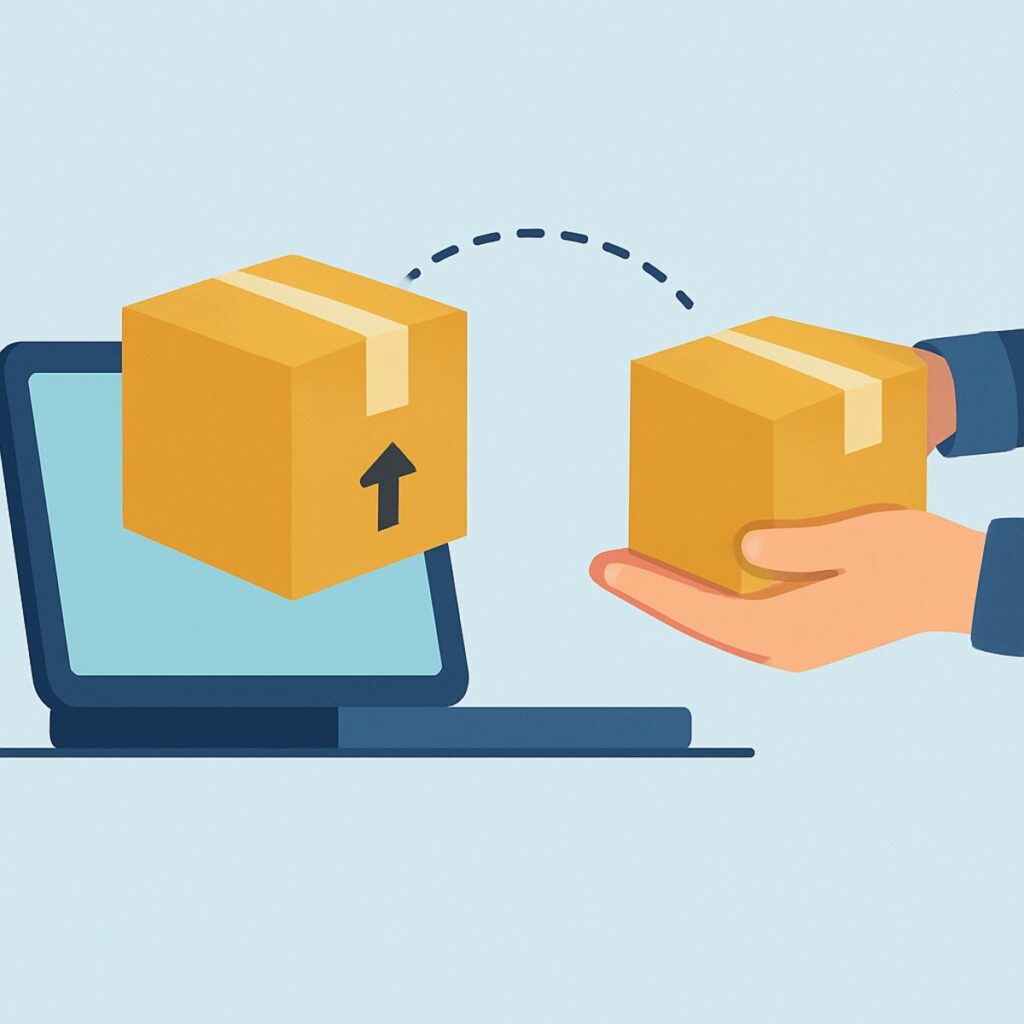
Think of an app as a digital conveyor belt connecting a supplier’s warehouse directly to your customer’s front door. This process is called fulfillment automation, meaning the software handles the tedious steps of sending order details to your supplier so you don’t have to. It acts as an invisible bridge keeping your business running effortlessly behind the scenes.
Before adding any automated order fulfillment software to your store, it helps to understand the two main types of tools available. Sourcing apps act like massive digital catalogs where you browse and pick items—like fitness gear or phone cases—to sell. Fulfillment apps, on the other hand, are the actual engines that trigger the shipping process once a customer clicks “buy.”
Imagine getting an order at midnight while you are fast asleep. With a connected shopify dropshipping platform, your store automatically “tells” the supplier to pack and ship the coffee mug your customer just bought, without you lifting a single finger. According to top e-commerce educators, this hands-off approach easily saves merchants dozens of hours every single week.
Finding the best dropship app for shopify isn’t about picking the most expensive option; it is about finding the right fit for your current budget and goals. Some apps are completely free to start, while others charge a monthly fee for premium products and faster shipping times.
Avoiding the common pitfalls of starting out requires a clear roadmap for selecting the right tools:
- Sourcing: Finding reliable suppliers with high-quality products.
- Fulfillment: Understanding the steps to ensure orders sync automatically.
- Shipping: Choosing an app that keeps delivery times short and customers happy.
Building a product catalog strategically removes the guesswork from store management. The right app installation turns a new store into a fully automated, order-processing machine.
Why Your Shopify Store’s Success Depends on the Right “Digital Conveyor Belt”
Imagine your phone lighting up with your very first sale at 2:00 AM. If you are handling things manually, you have to wake up, copy your customer’s name, paste their address into a supplier’s website, and buy the product yourself. This copy-and-paste method might work for selling a single yoga mat, but it quickly becomes a nightmare when ten people buy from your store in one afternoon.
Swapping that exhausting manual work for automated order fulfillment software changes everything. Think of this software as a digital conveyor belt that instantly links your Shopify checkout directly to your supplier’s warehouse. Instead of you acting as the middleman typing in details, the app automatically reads the online order and tells the supplier exactly what to pack and where to send it.
The true magic of this hands-off approach isn’t just convenience; it is serious damage control. Manually typing out street names inevitably leads to typos, which means lost packages and angry refund requests. By letting the app sync the data instantly, you reduce shipping delays caused by human error and save about ten minutes of tedious data entry per single order.
Getting those ten minutes back per sale gives you the absolute freedom to focus on what actually makes money, like marketing and building your brand. Once you stop acting as a stressed data-entry clerk, you can start exploring where these products actually come from. Beyond massive global marketplaces, dropshipping apps connect your store in three distinct ways.
Beyond AliExpress: Three Ways Dropshipping Apps Actually Connect Your Store
Opening the Shopify App Store feels like walking into a massive, disorganized warehouse. You will see hundreds of product sourcing tools promising to stock your digital shelves, but they actually operate using very different business models. Knowing exactly where your inventory comes from is the secret to protecting your profit margins and avoiding customer complaints.
To build a reliable store, you must choose from three distinct categories of connections:
- Marketplace Apps: These plug you into massive global bazaars to test millions of cheap items. Here, you will track every SKU—a unique barcode number used to identify one specific item variation, like a blue coffee mug.
- Direct Supplier Apps: These skip the crowded bazaar and connect you privately to vetted manufacturers, offering superior quality control and higher profit margins.
- Print-on-Demand Apps: When weighing print on demand vs product sourcing apps, remember that print-on-demand creates custom-designed items after a purchase is made, rather than moving pre-made stock off a shelf.
Matching the right software category to what you sell makes a massive difference in your daily success. If you want to sell intricate minimalist jewelry, a direct supplier offers the reliable quality and faster shipping that premium buyers expect. Conversely, if you are testing trendy pet accessories to see what goes viral, a marketplace provides the ultimate, low-cost variety needed to experiment without financial commitment.
Making your final choice usually comes down to how quickly you want to launch and how many products you plan to test. Because they offer the lowest entry costs and the absolute widest selection of goods, massive marketplaces remain the most popular starting line for new store owners. DSers stands out as the industry standard for high-volume AliExpress imports, demonstrating exactly how powerful this model can be.
Why DSers is the Industry Standard for High-Volume AliExpress Imports
Waking up to a viral social media post and a hundred new orders for your bestselling fitness accessory sounds like a dream, until you realize you have to click through and pay for each one individually. This tedious reality is exactly why many merchants consider DSers the best dropship app for shopify when dealing with high sales volumes. Instead of spending hours doing manual data entry, the app’s “Bulk Order” feature lets you select dozens of customer purchases and process them in seconds with just one click.
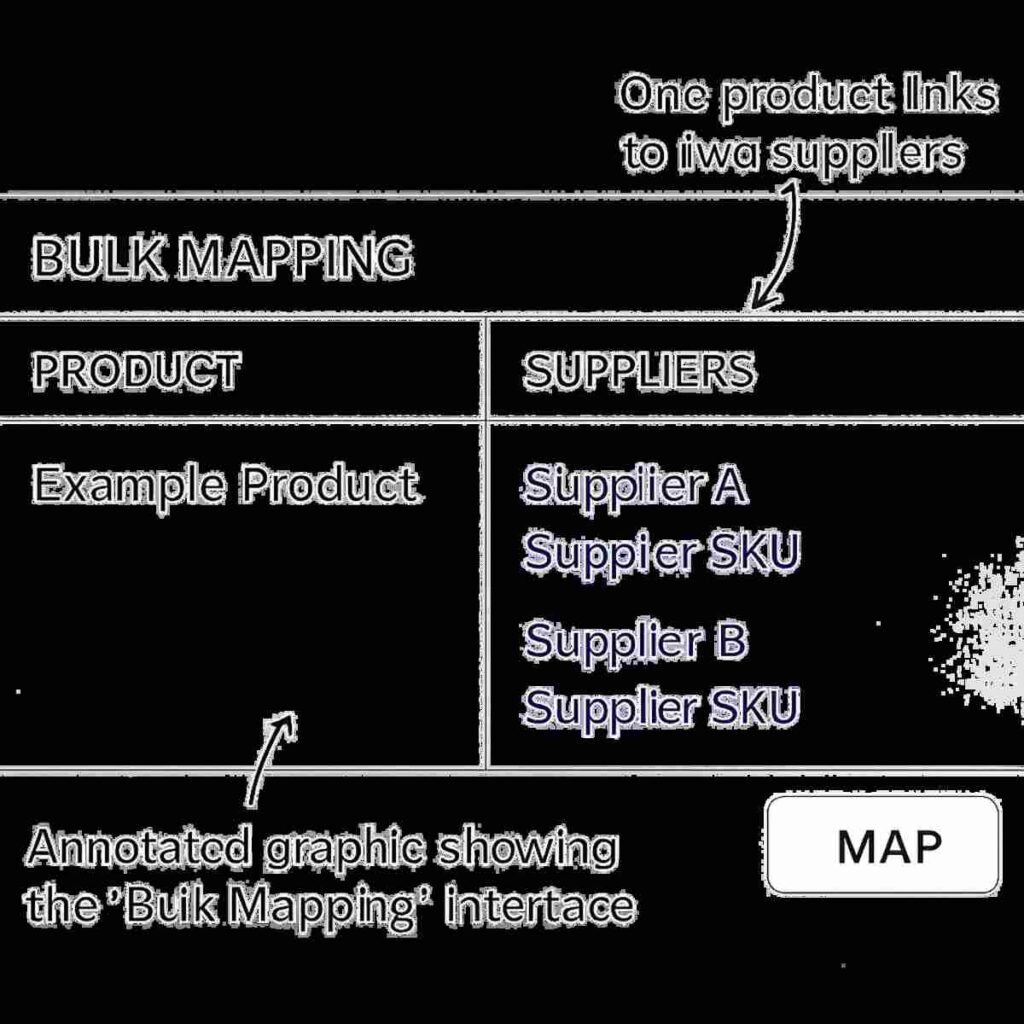
Moving that much inventory rapidly requires a safety net, which brings us to a powerful tool called Bulk Mapping—a feature that creates supplier redundancy, meaning you always have a backup manufacturer ready to go. Think of it like having two different bakeries on speed dial; if one runs out of flour, the other can still bake your cake. Within the dashboard, you simply link your single store item to multiple AliExpress sellers who offer the exact same product.
Because you already understand how basic inventory syncing works, you know your app constantly “talks” to the supplier to check their stock levels. When you utilize bulk mapping, this conversation gets a serious upgrade. If your primary supplier runs out of that popular item, the app automatically routes the new order to your backup supplier without you having to lift a finger, saving your profit and keeping your customer completely oblivious to the background pivot.
Another hidden superpower of using this official partner app over alternatives to DSers is gaining access to the AliExpress Whitelist. Normally, standard shopping platforms will automatically block credit cards that suddenly try to make hundreds of small, rapid-fire purchases, flagging them as suspicious activity. Being placed on the whitelist removes these standard buying limits, allowing your business to safely scale from five orders a day to five hundred without your payments freezing up at the worst possible moment.
While mastering high-speed bulk processing and backup suppliers gives you incredible power to scale, you are ultimately still relying on overseas delivery networks. If your buyers are beginning to complain about waiting weeks for their packages, it might be time to source your inventory closer to home. Spocket solves this by securing 3-5 day shipping from US and EU suppliers.
How Spocket Helps You Win with 3-5 Day Shipping from US and EU Suppliers
Losing a customer because they had to wait over a month for a simple phone case is a frustrating rite of passage for many new store owners. If you want to avoid that headache entirely, Spocket is designed to give you the fastest shipping times for shopify dropshippers available today. Instead of waiting for a cargo ship to slowly cross the ocean, this app focuses entirely on connecting your storefront with suppliers located geographically closer to your buyers.
This localized approach is known as domestic sourcing, which simply means you are buying inventory from warehouses located on the same continent as your customers. Because the product is already physically close to its final destination, transit times plummet from three agonizing weeks to a highly competitive 3-5 days. You gain immediate access to thousands of US-based dropshipping suppliers, completely bypassing the unpredictable delays of international customs.
Beyond just raw speed, the quality of the items you are selling takes a massive leap forward. Spocket heavily curates its marketplace, meaning they actively vet the artisans and small businesses allowed to sell on their platform. When a shopper orders a handmade scented candle or a minimalist leather wallet from your store, they receive a premium item that feels genuinely special, drastically reducing the number of refund requests filling up your inbox.
Your brand’s reputation gets another major boost through a feature called Branded Invoicing, which is a printed receipt placed inside the shipping box featuring your store’s logo and contact information. Think of it like a personalized thank-you note; the customer opens their package and sees your branding front and center, rather than a generic, confusing packing slip from an unknown warehouse. This simple piece of paper instantly makes your business look professional and builds long-term trust.
Once you experience the joy of five-star reviews praising your quick delivery, you will naturally want to push your marketing even harder. Handling explosive growth smoothly requires scalable systems like Zendrop, a tool designed for managing high-volume daily orders with custom packaging.
Zendrop: The Tool for Scaling from Zero to 100 Daily Orders with Custom Packaging
Getting your first few sales is incredibly exciting, but scaling up can quickly become a logistical nightmare if you rely on public marketplaces. Zendrop solves this by using managed fulfillment, meaning they source and ship products directly from their own trusted network of factories. By bypassing AliExpress entirely, you get faster processing times and a dedicated support team that actually answers your questions. It stands out as one of the top-rated alternatives to DSers because it acts as a direct, reliable bridge between the manufacturer and your customer, removing the unpredictable middleman.
Standing out in today’s crowded market requires an unforgettable unboxing experience. Zendrop makes building a brand with private label dropshipping accessible by letting you add custom “Thank You” cards to every single package. When a customer opens their new order and finds a beautifully printed card featuring your logo and a discount code, they stop seeing you as a generic shop. This simple piece of paper transforms one-time buyers into loyal fans who trust your business.
Earning that trust allows you to unlock a highly profitable revenue stream: Subscription Boxes in Dropshipping. Think of this like a modern magazine subscription, but instead of reading material, your customer receives physical goods. If you sell pet accessories, for example, a buyer can subscribe to receive a fresh bundle of dog toys and treats automatically every thirty days.
The brilliance of this recurring model is that it creates predictable monthly income without requiring extra manual effort from you. Zendrop automatically handles the complex backend mechanics of billing the shopper and dispatching the new box right on schedule. You secure the customer exactly once, and the app ensures you get paid month after month while consistently delivering value to their doorstep.
Scaling with these automated tools gives you the confidence to take even more control over your supply chain. CJ Dropshipping provides an all-in-one solution for sourcing and warehousing, giving merchants complete oversight of their inventory.
CJ Dropshipping: The All-in-One Solution for Sourcing and Warehousing
Have you ever spotted a viral product on social media, only to realize it isn’t listed in your current app’s catalog? Hitting a wall like this is frustrating when you know a product will sell. CJ Dropshipping acts as your ultimate backup plan and growth engine combined. Think of it as a massive digital warehouse that also employs a team of personal shoppers just for your business.
This “personal shopper” superpower is called a Sourcing Request. If you find a neat coffee mug or a unique pet accessory anywhere on the internet, you simply paste the link into the app, and their team will track down the factory to get you a price. You aren’t limited to what is already sitting on their digital shelves. This completely flips the script, letting you build a store around the exact items you actually want to sell.
Once you secure that perfect item, you need it to reach your buyer quickly. Navigating the slow shipping times of global sourcing vs local dropshipping is a common headache for new store owners. CJ solves this through a Global Warehouse Network—meaning they own physical storage buildings across the United States and Europe. Instead of shipping one item at a time from overseas, you are essentially finding verified US-based dropshipping suppliers who can deliver packages to your customers in days, not weeks.
Mastering this platform gives your store three distinct advantages:
- Custom Sourcing: Request a quote for any product you find online, ensuring you always have access to trending inventory.
- Local Warehousing: Store stock in local US or EU warehouses to guarantee lightning-fast shipping times that keep buyers happy.
- Professional Media: Have their in-house studio shoot high-quality photos and videos of your product, completely eliminating the need to buy an expensive camera yourself.
Taking control of your inventory means you can build a highly professional storefront without ever touching a single cardboard box. Depending on the brand vision, merchants must choose between Print-on-Demand and traditional Product Sourcing to fill that digital storefront.
Print-on-Demand vs. Product Sourcing: Which Model Fits Your Brand?
Deciding what to sell splits your journey into two distinct paths: becoming a creator or a curator. When comparing print on demand vs product sourcing apps, the core difference is how your items actually come to life. Sourcing apps are perfect for product hunters looking to sell existing items like viral phone cases or pet accessories. Print-on-Demand (POD), on the other hand, is a service where your custom designs are printed onto blank goods—like t-shirts or coffee mugs—only after a customer buys them.
The financial upside of creating your own designs comes down to perceived value. Because a POD item features your completely unique artwork, customers cannot simply price-check it on a giant marketplace like AliExpress. This exclusivity naturally creates high-margin products, allowing you to charge a premium for your creativity. Instead of competing on who sells the cheapest gadget, you are selling a unique brand, which usually leaves a much healthier profit in your pocket.
However, the tradeoff for this creative freedom is a slight shipping delay. Unlike a pre-made sourced item that simply needs to be grabbed from a warehouse shelf, POD introduces a phase called “Production Time.” Think of it like ordering a custom cake instead of buying a pre-made one from the bakery display; the facility needs a few days to actually print, dry, and package your specific item before handing it to the post office.
Ultimately, the decision rests on whether you prefer designing graphics or researching consumer trends. Regardless of your choice, both models require you to connect a supplier’s catalog to your Shopify dashboard. Once products are live, managing the data flow between systems by syncing inventory and prices automatically prevents overselling.
How to Sync Inventory and Prices Automatically So You Never Oversell
Imagine waking up to a huge sale, only to realize your supplier ran out of that bestselling product yesterday. Now, you must apologize and issue “The Embarrassing Refund.” To avoid this nightmare, successful shopify inventory management relies on inventory syncing—a continuous two-way conversation between systems. The moment a supplier’s warehouse empties, the app automatically “tells” your storefront to mark the item as out of stock, keeping your virtual shelves perfectly accurate.
Protecting your profit margin is equally vital if a supplier quietly raises their manufacturing costs. Rather than checking their catalog daily, you can use dynamic pricing rules—a smart setting that automatically adjusts your retail prices to maintain your desired profit margins. When learning how to sync inventory from dropshipping suppliers, always activate these three essential automated rules inside your app settings:
- Stock Sync: Instantly hides products from your store when supplier inventory drops to zero.
- Price Sync: Automatically increases your retail price if the supplier’s base cost goes up.
- Tracking Sync: Automatically emails the tracking number to your customer the exact second a warehouse prints the shipping label.
Automating these background tasks turns your business into a self-updating machine, guaranteeing you will never have to manually copy and paste shipping codes at midnight again. With your backend data flow safely secured, finding verified US-based dropshipping suppliers completely beats the 30-day shipping hurdle.
Finding Verified US-Based Dropshipping Suppliers to Beat 30-Day Shipping Times
You already know that modern shoppers expect their packages to arrive quickly, and nothing kills a new brand faster than making a customer wait six weeks for a simple phone case. When buyers are conditioned to expect two-day delivery, finding verified US-based dropshipping suppliers becomes the ultimate cheat code for your storefront. Bypassing overseas transit delays entirely means you can confidently promise the fastest shipping times without breaking a sweat, keeping your buyers happy and your inbox completely free from angry “Where is my order?” emails.
Unlocking these rapid delivery speeds starts right inside your chosen dropshipping app by using a Shipping Filter, which acts as a digital bouncer that only lets local warehouses into your product search results. By simply clicking a dropdown menu and selecting “Ships from: United States” or your specific local region like the UK or EU, you instantly hide all overseas inventory and expose the suppliers who already have products sitting nearby.
Once you have isolated a supplier promising a seven-day delivery window, your next crucial step is placing a Sample Order. This means temporarily acting as your own customer and buying one of the items—like a dog collar or a coffee mug—to be shipped directly to your house. Testing the journey yourself validates the supplier’s actual delivery speed, allows you to inspect the packaging quality, and ensures the physical item truly matches its glossy internet photos.
Experiencing the unboxing exactly as your future buyers will gives you the ultimate peace of mind before you spend a single dollar on advertising. Even with domestic warehouses and great initial impressions, you still need to ensure your chosen partner will stay consistent over the long haul. Before officially adding their entire catalog to the storefront, merchants must evaluate supplier reliability and spot key red flags.
Evaluating Supplier Reliability: 3 Red Flags Every Shopify Merchant Must Spot
Locating a nearby warehouse is only half the battle; now you must prioritize evaluating supplier reliability to protect your brand. A common trap for beginners is confusing “Shipping Time” (how long the mail carrier takes) with “Processing Time” (how long it takes the supplier to physically pack the box). If a supplier boasts two-day shipping but takes five days to process an order, your buyer still waits a week. To mitigate this, always verify the supplier’s platform age—those operating for three or more years usually have reliable, fast processing systems.
Even established partners need a quick background check before you trust them with your business. Protect your store by watching out for The Red Flag List:
- Communication lag: Test responsiveness by sending a simple message asking, “Do you have stock?” If they take over 24 hours to reply, they will likely ignore emergency customer service issues.
- Review patterns: Spot fake positive reviews by checking for repetitive language. Genuine buyers mention specific product details, whereas fake reviews just repeat vague phrases like “good item.”
- Inconsistent tracking: Run away from suppliers with previous complaints about delayed or missing tracking numbers, as this guarantees customer complaints.
Mastering these basic vetting techniques guarantees you only work with trustworthy partners who respect your shoppers. Once you have a solid shortlist of reliable suppliers, optimizing logistics involves automatically routing incoming orders to the warehouse sitting closest to your buyer’s front door.
Reducing Shipping Delays: How to Route Orders to the Nearest Warehouse
You finally found a reliable supplier, but what happens when a New York customer places an order, and your supplier has warehouses in both China and California? Without the right setup, that order might ship from overseas. The secret to reducing shipping delays in global sourcing is a feature called “Smart Routing.” Think of Smart Routing like a delivery GPS; the app automatically looks at your customer’s address and tells the closest warehouse to pack the box.
Turning on this “Auto-Routing” feature in your dropshipping app instantly upgrades your customer service without adding extra work. Modern apps connect your store to “Regional Hubs”—smaller, local warehouses spread across different countries. When a midnight order comes in while you are sleeping, the app instantly matches it to the hub nearest your shopper’s front door. By letting the software do this matching automatically, you easily shave four to seven days off delivery times while simultaneously saving money on expensive cross-border shipping fees.
Beyond speed and profit, shipping packages over shorter distances naturally reduces the carbon footprint of your store, giving eco-conscious customers another reason to love your brand. Pro-Tip: Always verify a supplier’s warehouse map in your app before selling their items. Intelligent sourcing tools uncover high-margin products that leave plenty of room for healthy profits.
High-Margin Products: How to Use Sourcing Tools to Find Profitable Gems
Getting a fast delivery is only half the battle; the real victory is keeping the money you make. To build a healthy business, you need to find high-margin products—items that cost you very little to buy but can be sold for a premium. The secret here is Perceived Value, which simply means how much a shopper believes a product is worth based on its presentation. A beautifully designed, durable coffee mug might only cost you $4 to source, but it can easily sell for $24 because it feels unique and high-quality to the buyer.
Finding these profitable gems requires looking in the right categories rather than just guessing. The smartest place to start is the Impulse Buy Niche—products priced between $20 and $50 that solve a quick problem or bring instant joy. When a customer sees a clever pet accessory or a sleek minimalist watch in this price range, they rarely overthink the purchase. They buy on emotion, meaning you spend less time convincing them and more time securely processing their order.
To spot these winners quickly, use the filters inside the best dropship app for shopify to match this ‘Golden Product’ Checklist, guaranteeing you protect your profits after paying any software fees:
- Hit the Sweet Spot: Target that $20 to $50 impulse-buy price tag.
- Keep it Light: Choose items under two pounds (like phone cases or yoga mats) to ensure your shipping costs stay flat and cheap.
- Dodge the “Tech Traps”: Avoid cheap, complicated electronics; they break easily in transit and lead to expensive refund requests.
Your sourcing tools will quickly uncover dozens of these winning items ready for your store. Proper Shopify inventory management, specifically keeping catalogs clean with bulk import features, prevents a storefront from becoming a chaotic mess.
Shopify Inventory Management: Keeping Your Catalog Clean with Bulk Import Features
You might be tempted to flood your store with thousands of items now that sourcing is so easy. However, the reality of shopify inventory management is that a tightly curated shop with twenty carefully chosen products almost always outsells a messy digital flea market with two thousand random items. Think of your website like a high-end physical boutique; when shoppers walk in, they want a clear, focused selection rather than overwhelming clutter. Keeping your catalog lean ensures your customers never experience choice paralysis.
Testing a new product idea doesn’t have to mean spending hours copying and pasting descriptions. By utilizing bulk product importing features, you can instantly pull entire collections directly from your supplier into your store with a single click. If you want to see if your audience responds better to leather dog collars or glowing night-leashes, this tool acts like a digital forklift, moving a whole test batch of pet accessories onto your shelves in seconds so you can see what actually sells.
Once those new items arrive in your store, the secret to a professional look is keeping the digital aisles spotless. Smart apps use Auto-Categorization, a feature that instantly sorts your newly imported fitness gear or coffee mugs into the correct menu folders so your shoppers can easily navigate to them. Maintaining this clean, organized catalog sets the perfect foundation for shifting from a generic storefront into building a real brand with private label dropshipping apps.
Building a Real Brand with Private Label Dropshipping Apps
Hitting a stable flow of daily orders is a huge milestone, but selling the exact same items as thousands of other stores puts a strict ceiling on your profits. This marks the turning point between being a Commodity Seller—competing only on who offers the cheapest price—and becoming a true Brand Owner. When shoppers buy a generic phone case, they just want cheap plastic, but when they buy a recognized brand, they gladly pay extra for a premium experience.
Making this profitable leap is straightforward when you start building a brand with private label dropshipping. Private labeling simply means your supplier prints your custom logo directly onto the product or its packaging before shipping it out. Instead of receiving a boring brown parcel, your customer unboxes a beautiful item bearing your store’s distinct name. This elevated presentation instantly makes a standard product feel like a high-end purchase, allowing you to confidently charge higher retail prices.
Beyond just boosting your immediate profit margins, creating a memorable unboxing experience is the ultimate secret to generating long-term customer loyalty. By thoughtfully integrating product sourcing tools that specialize in this type of customization, you ensure shoppers remember exactly where they bought their new favorite item. When they want to buy a gift for a friend next month, they will search for your specific store name rather than hunting for a cheaper alternative on a giant marketplace.
Upgrading your storefront to include this level of customization might sound expensive, but adding premium touches does not actually require a massive upfront investment. Many supplier apps offer entry-level branding options, like custom thank-you cards, that let you test the waters risk-free. Fortunately, several excellent free dropshipping tools exist for beginners starting on a budget.
The Best Free Dropshipping Tools for Beginners Starting on a Budget
Launching your dream store shouldn’t drain your savings before your first sale. Smart entrepreneurs keep initial overhead at zero by utilizing “Free Forever” plans. These entry-level accounts act like a free digital conveyor belt, letting you connect suppliers to your store without paying monthly software fees. By relying on the best free dropshipping tools for beginners, you can safely test trending items—like phone cases or yoga mats—completely risk-free.
Building this zero-cost toolkit requires combining reliable supplier apps with clever browser plugins. Your foundational setup should include:
- DSers: The official tool for importing standard AliExpress goods at no cost.
- Zendrop: A beginner-friendly app offering a generous free tier with reliable shipping.
- CJ Dropshipping: A completely free network providing access to global warehouses.
- AliSave (Chrome Extension): Instantly downloads high-quality product images for your storefront.
- Koala Inspector (Chrome Extension): Acts as a digital scout, revealing the “best-selling” version of a product on competitor sites so you know what actually sells.
Eventually, your daily orders will outgrow these basic starter plans. When you find yourself spending hours clicking “order” manually, or when you need automated tracking to keep customers happy, it is finally time to upgrade. Weighing those costs requires calculating the real ROI of monthly subscriptions.
App Pricing Comparison: Calculating the Real ROI of Monthly Subscriptions
Upgrading from a free plan feels like a leap, but it is the exact moment your store shifts from a hobby to a scalable machine. When reviewing a shopify dropshipping platform pricing comparison, the goal isn’t just finding the cheapest option. You must calculate your Return on Investment (ROI)—the measurable time or profit an app gives back to you for every dollar spent. Think of a paid app like hiring a 24/7 assistant; if it costs $20 a month but processes customer orders while you sleep, it instantly pays for itself.
To choose wisely, you must find your “break-even point,” which is simply the number of products you need to sell to cover that monthly software fee. Consider this breakdown when exploring top-rated alternatives to DSers:
- App A (Free): Costs $0, but requires you to manually click through every customer order. Perfect for your first 5 sales.
- App B ($20/mo): Automates ordering and unlocks faster shipping times. If your profit on a pet collar is $10, you break even after just two sales!
- App C ($50/mo): Adds custom logo branding to your packages. Ideal for established stores safely selling 50+ items monthly.
Beyond the monthly sticker price, always watch for hidden transaction fees or per-order charges that secretly drain your profit margins as you scale. A reliable tool grows smoothly with you from one sale to one thousand without surprise billing spikes. With the software budget set, integrating sourcing tools and setting up the first product takes just a few minutes.
Integrating Sourcing Tools: A 5-Minute Setup Guide for Your First Product
The technical side of launching a store often feels intimidating, but connecting your software requires absolutely zero coding. When integrating product sourcing tools into Shopify, think of it like downloading a smartphone game. You search for the best dropship app for shopify that fits your budget and click “Add app” to build an instant bridge to a supplier warehouse.
Finding your first item to sell is where the magic happens thanks to “one-click import” technology. Instead of manually copying photos and descriptions for a trending product, you just click a single button inside the app. This feature instantly pulls all product details directly into your dashboard, saving you hours of tedious data entry.
Before celebrating, you must verify that your digital storefront and your new app are actually communicating. Just open your Shopify “Products” tab and confirm the item appears with its images fully intact. Seeing that product actively sitting in your store proves everything works perfectly, meaning you are ready to finalize your business launch.
Your 5-Step Roadmap to Launching Your Dropshipping Business Today
You started this journey staring at a mountain of software options, but you now have the insight to select the best dropship app for Shopify with total confidence. Remember, long-term success isn’t about chasing the fastest profit margins; it is about providing a reliable customer experience. When buyers consistently receive quality items on time, that single sale naturally snowballs into a sustainable business.
To go from reading to running your store in the next 24 hours, follow this simple roadmap:
- Choose your niche
- Pick your shopify dropshipping platform
- Import 10 products
- Order a sample
- Launch your store
Building a successful storefront requires taking direct action. Pick one app today, connect it to the dashboard, and import a single product to test the process. Once the first automated order successfully processes, the path to scaling becomes clear. Follow the roadmap, test thoroughly, and focus on delivering a premium customer experience from day one.