


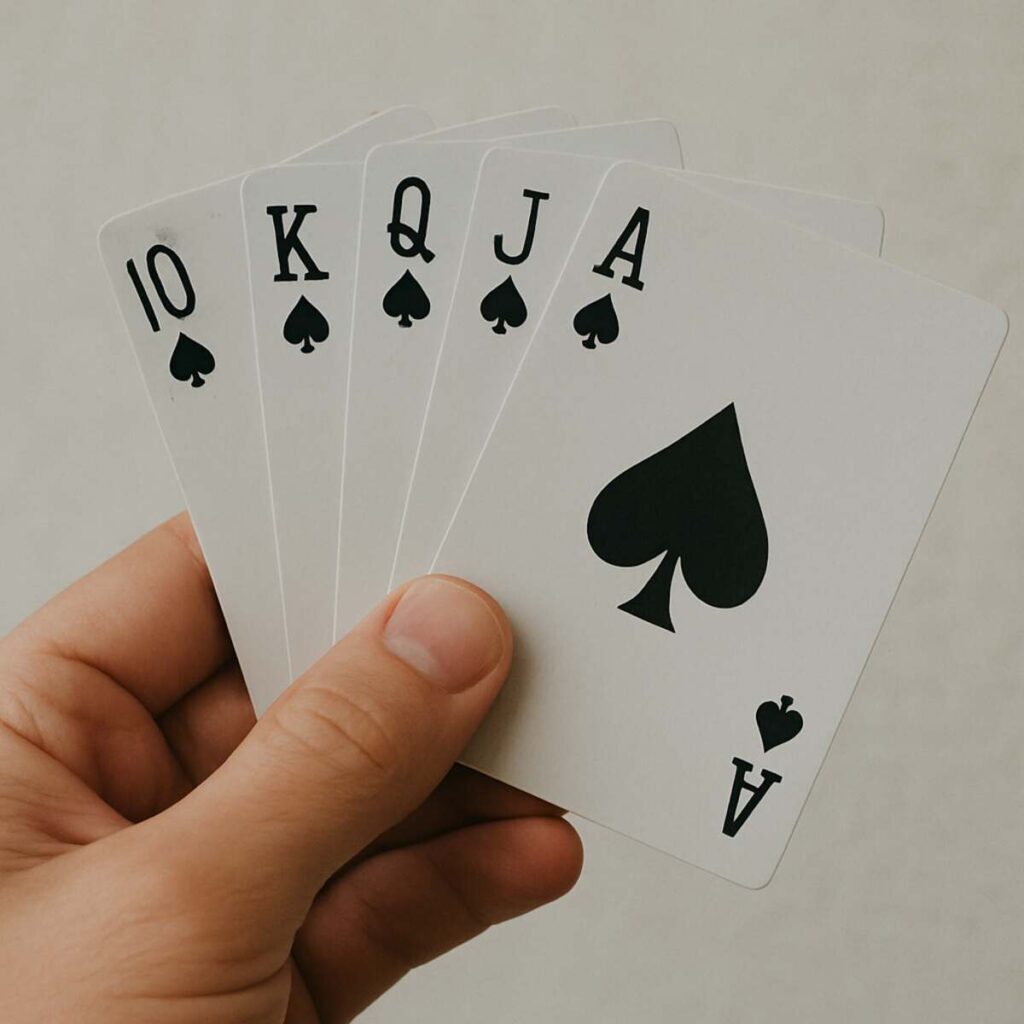
Who doesn’t love a good card game to bring people together, right? If you’re looking for a simple yet exciting game, Garbage (or Trash) is the perfect choice. Whether you’re playing with family, friends, or even teaching kids some card game basics, Garbage offers fun and a bit of a challenge. So, grab a deck of cards, and let’s dive into some strategies to win at the Garbage card game. Check out Alternatif TERATAI189 to know more
Understanding the Basics of Garbage
Before you can master the strategies, let’s make sure you know how to play the Garbage card game. This game is usually played with two decks of cards if you have more than two players. The objective? Be the first to line up your cards in the sequence from Ace to 10.
Setting Up the Game
Step-by-Step Card Dealing
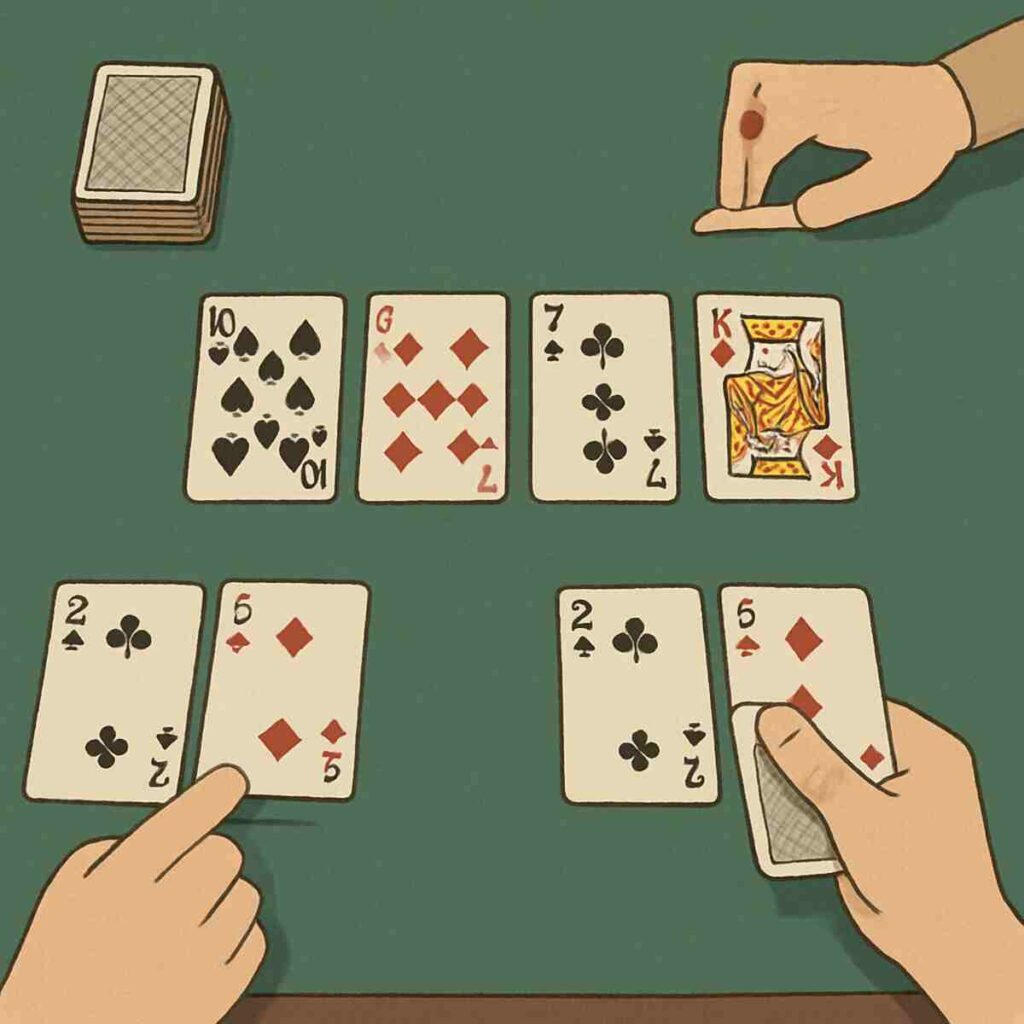
- Deal the Cards: Each player is dealt ten cards, placed face down in two rows of five. This layout forms your personal board where you will build your sequence. The face-down aspect adds an element of surprise and strategy as you work to replace them with the correct cards.
- Creating the Draw Pile: The remaining cards form a draw pile in the center. This pile is the heart of the game, where each player will draw cards to replace their face-down cards. The draw pile also dictates the flow of the game, as players must decide whether to draw from it or the discard pile.
- Establishing the Game Layout: Players will attempt to replace the face-down cards with the cards they draw, aiming to arrange them in numerical order from Ace to 10. This setup encourages players to think strategically about which card to reveal next.
Playing the Game
Turn Mechanics
- Initiating the Turn: The first player begins by drawing a card from the deck. This marks the start of your quest to replace face-down cards with the correct sequence. The initial card drawn can set the tone for your strategy for the round.
- Strategic Card Placement: If the card drawn is an Ace through 10, place it in the corresponding position (Ace in the first spot, 2 in the second, and so on). This is where the game gets interesting, as you must choose wisely which face-down card to replace based on the cards you have and need.
- Managing Discards: If a player can’t place the drawn card, it becomes part of the discard pile. The discard pile is a crucial element, as it can provide opportunities for other players to pick useful cards, adding a layer of tactical decision-making.
Progressing Through the Game
- Card Replacement Strategy: When a face-down card is replaced, the card it replaces can be used to further replace other cards. This can create a chain reaction, allowing you to quickly fill your sequence if you plan your moves carefully.
- Winning the Round: The first player to fill all ten spots correctly calls out “Garbage!” and wins the round. This moment is the culmination of strategic planning and a bit of luck, rewarding players who adapt and think ahead.
Winning Strategies for the Garbage Card Game
Now that you’ve got the basics down, it’s time to up your game. Here are some surefire strategies to help you win at Garbage.
Stay Focused and Organized
Mental Mapping of Cards
Keeping track of which cards are needed where is crucial. Make a mental note of the cards you’ve already placed and those that are still missing. This mental mapping helps you make quick decisions and reduces the chance of mistakes. Organizing your thoughts can prevent costly errors and streamline your path to victory.
Visualization Techniques
Visualize the sequence of numbers and where each card fits. This technique can help you remember your strategy and execute it more effectively. By picturing your board and the cards in play, you enhance your ability to strategize and adapt to changing circumstances.
Prioritizing Card Placement
Determine which cards are of higher priority based on your current sequence. Identifying gaps in your lineup and focusing on filling these first can streamline your path to victory. Prioritizing efficiently reduces wasted moves and optimizes your chances of success.
Memorize Discarded Cards
Observing the Discard Pile
Watch the discard pile closely. Knowing which cards are out of play can guide your strategy, especially in deciding whether to draw from the discard pile or the deck. Observing these cards is crucial as it can reveal which cards are available to you and which are not.
Tracking Opponent’s Moves
Monitor which cards your opponents pick from the discard pile. This can give you insights into their strategies and help you anticipate their next moves. By tracking these moves, you gain a strategic edge, allowing you to adjust your tactics accordingly.
Utilizing Memory Aids
Use memory aids, like associating cards with positions or creating a mental checklist, to help remember which cards have been discarded. This can be particularly useful in fast-paced rounds, where quick recall can make the difference between winning and losing.
Use Wild Cards Wisely
Strategic Utilization of Jokers
If you’re playing with Jokers as wild cards, use them strategically. They can replace any card, but saving them for high-value placements (like the 9 or 10 spots) can be a game-changer. By reserving Jokers for these critical positions, you maximize their impact on your game.
Timing Wild Card Usage
Decide the best moment to use your wild cards. Holding onto them until you absolutely need them can prevent opponents from overtaking you. Timing is everything, and using wild cards at the right moment can turn the tide in your favor.
Creating Opportunities with Wild Cards
Use wild cards to unlock potential chain reactions. Replacing a card with a Joker can allow you to reposition multiple cards, accelerating your progress. This strategic move can open up new possibilities and give you a significant advantage.
Be Flexible with Your Strategy
Adapting to Card Draws
Sometimes, you’ll need to adapt your strategy based on the cards you draw. If you consistently pull low-numbered cards, focus on filling those spots first and adapt as you go. Flexibility in strategy is key, as rigid planning can lead to missed opportunities.
Dynamic Decision-Making
Be prepared to change your plans as the game evolves. Quick decision-making based on the current state of play can make all the difference. Dynamic thinking allows you to respond to new challenges and capitalize on emerging opportunities.
Balancing Risk and Reward
Evaluate the risks and rewards of each move. Sometimes taking a calculated risk can lead to a significant payoff. Balancing these elements ensures you make informed choices that enhance your chances of success.
Watch Your Opponents
Monitoring Opponent’s Progress
Keep an eye on what your opponents are doing. If you notice someone is close to winning, it might be worth drawing from the deck to find a high-value card to replace, possibly slowing them down. Observing their progress allows you to anticipate their moves and disrupt their plans.
Analyzing Opponent’s Strategies
Take note of your opponents’ strategies and adapt your own accordingly. Understanding their tactics can help you counteract their moves and gain an advantage. By analyzing their playstyle, you position yourself to outmaneuver them.
Interfering with Opponent’s Plans
Strategically choose when to interfere with your opponents’ plans. A well-timed move can derail their progress and give you the upper hand. This interference, if executed correctly, can shift the momentum in your favor.
Variations to Spice Up Your Game
Adding a twist to the traditional rules can make Garbage even more exciting. Here are a few variations you might enjoy:
The Two-Deck Rule
Increasing Complexity
Use two decks of cards if you have more players. This makes the game more challenging and adds an extra layer of strategy as there are more cards to track. The increased complexity tests your ability to manage multiple variables simultaneously.
Extended Game Dynamics
With more cards in play, the dynamics of the game shift, requiring players to think on their feet. Adaptability becomes even more critical as the extended game introduces new challenges. This variation keeps players engaged and on their toes.
Enhancing Player Interaction
The two-deck rule encourages more interaction among players, as there are more opportunities to disrupt each other’s plans. This interaction adds a social element to the game, enhancing the overall experience.
Ace High
Altering Card Hierarchy
In this variation, Aces are considered high instead of low. This means your sequence will start with 2 and end with Ace (2 to Ace). Changing the card hierarchy requires players to rethink their strategies, adding a fresh twist to the game.
Adjusting Strategic Approach
Players must adjust their approach to accommodate the new hierarchy. This variation challenges players to be more flexible and creative in their tactics. Adapting to this change tests your ability to think outside the box.
Reinventing Game Flow
The Ace High rule alters the flow of the game, creating new opportunities and challenges. This reinvention keeps the game exciting and unpredictable, making it a favorite among seasoned players.
King as Wild
Expanding Wild Card Options
Introduce Kings as additional wild cards. This increases the likelihood of filling your sequence quickly but also raises the stakes as everyone has more chances to complete their sequence. The expanded options give players more strategic choices.
Balancing Ease and Difficulty
While more wild cards make it easier to complete sequences, they also make the game more competitive. Balancing this ease with the increased difficulty of competing against others creates a thrilling experience.
Amplifying Game Tension
The presence of more wild cards amplifies the tension, as players race to complete their sequences before their opponents. This variation heightens the excitement and keeps players on the edge of their seats.
Teaching Kids to Play Garbage
Garbage is a fantastic game for teaching kids about numbers, sequences, and strategy. Here’s how you can make it more accessible for them:
Simplify the Rules
Reducing Complexity for Younger Players
Start with fewer cards for younger children. Instead of 10, you can play with 5 or 7 cards to make the game quicker and easier to understand. Simplifying the rules makes the game more approachable and enjoyable for kids.
Introducing Basic Concepts
Focus on teaching basic concepts like number order and card placement. Simplification helps kids grasp these fundamentals without feeling overwhelmed. Introducing these concepts gradually builds their confidence and skills.
Encouraging Engagement
By simplifying the game, you encourage more participation and engagement from children. This approach fosters a positive learning environment where kids feel comfortable exploring new strategies.
Use Visual Aids
Enhancing Understanding with Visuals
Use a number line or small markers to help kids keep track of which cards go in which spot. Visual aids can reinforce understanding and make the game more intuitive for young players. These tools bridge the gap between abstract concepts and concrete understanding.
Creating Interactive Learning
Incorporate interactive elements, such as colourful charts or diagrams, to make learning more engaging. Visuals can transform complex ideas into accessible knowledge, enhancing the overall learning experience.
Supporting Memory Retention
Visual aids support memory retention by providing visual cues that reinforce learning. These cues help kids remember rules and strategies, improving their gameplay and enjoyment.
Encourage Team Play
Fostering Collaborative Learning
Pair up younger kids with an adult or older child to help them learn the ropes. This way, they can get guidance on strategy and rule-following. Collaborative play encourages teamwork and communication, essential skills for young learners.
Building Confidence through Support
Team play builds confidence as kids receive support and encouragement from their partners. This positive reinforcement boosts their self-esteem and motivates them to keep learning.
Developing Social Skills
By playing in teams, kids develop social skills like cooperation, negotiation, and empathy. These skills are valuable both within the game and in broader social interactions.
Conclusion
Garbage is not only a fun and easy game to pick up, but also a wonderful way to enhance your strategic thinking. Whether you’re playing casually with friends or teaching the next generation of card sharks, these strategies will help you dominate the game. So, shuffle those cards, deal them out, and let the games begin!
Remember, practice makes perfect, so the more you play, the better you’ll get. And most importantly, have fun!